
 By
By 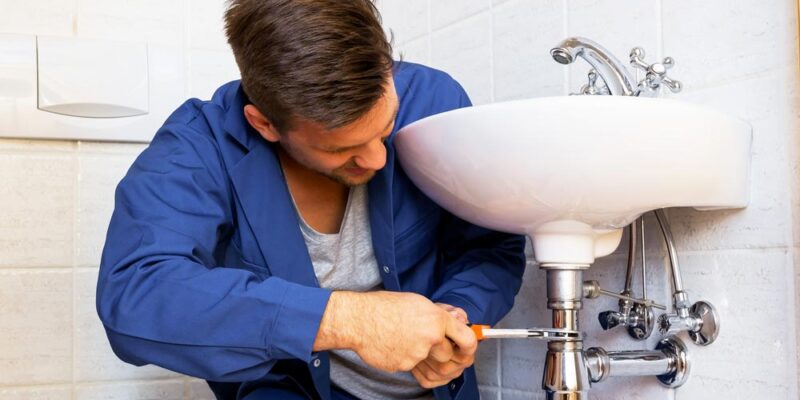
Water problems inside a home rarely begin with a dramatic failure. Most start quietly. A drain slows down. A tap drips once every few seconds. The toilet runs a little longer than usual.
When homeowners begin searching for Garland plumbing services, it is often because these small signs have started to repeat. Not urgent enough to panic. But persistent enough to feel uncomfortable.
And that steady discomfort usually means something deeper is happening.
Recognizing early warning signs before failure
Plumbing systems give signals before they break. The challenge is noticing them.
You might hear light knocking in the walls after turning off water. You might see pressure drop slightly in the shower. Or maybe water takes longer to heat up in the morning.
These changes seem minor at first. Many people ignore them because everything still functions. But plumbing stress builds over time. It does not disappear on its own.
Sometimes the signs stay subtle for months. Then one day, they are not subtle anymore.
Drain pipe and fixture problems explained
Kitchen drains often struggle with grease buildup. Bathroom sinks collect soap and hair. Shower drains narrow gradually from residue.
The water still flows, just slower. That slower movement increases internal pressure along pipe walls. Over time, joints and seals experience more strain.
Fixtures also wear down. Washers flatten. Handles loosen. Internal cartridges degrade. None of this feels dramatic. It feels routine.
But routine wear, when ignored, becomes expensive repair.
Repair versus replacement decision factors
One of the most common questions homeowners ask is whether something should be repaired or fully replaced. The answer depends on age, material condition, and overall system health.
For example, sealing a small pipe crack may work temporarily. But if corrosion has spread across the line, replacement might prevent repeat issues.
There is no universal rule. Each property has its own history.
And sometimes homeowners hope a quick repair will solve everything. Sometimes it does. Sometimes it delays the bigger fix.
Safety concerns many families overlook
Water damage is not only about visible leaks. Moisture inside walls can weaken framing and encourage mold growth.
High water pressure can also stress connections and increase the risk of sudden pipe bursts. Many families do not check pressure levels regularly. They assume normal flow equals safe conditions.
That assumption can be misleading.
Gas water heaters also require careful inspection to ensure safe venting and temperature control. Small malfunctions here deserve attention sooner rather than later.
Preventive habits that extend system lifespan
A few consistent habits can reduce strain on plumbing systems:
- Avoid pouring grease into kitchen drains
- Use drain strainers in sinks and showers
- Check visible pipes occasionally for moisture
- Flush water heaters periodically if recommended
- Address minor drips quickly
These steps do not eliminate every problem. But they reduce buildup and pressure stress.
Some homeowners follow maintenance schedules strictly. Others address issues only when visible. Both approaches exist. Still, prevention tends to cost less than repair in the long run.
When immediate professional attention becomes necessary
Certain signs require quick response. Water pooling on floors. Strong sewage odors. Sudden loss of pressure.
These indicate active system failure. Turning off the main supply may be necessary before calling for support.
When issues escalate to that point, professional evaluation becomes essential. Technicians can trace leaks, test pressure, and determine whether nearby sections are affected.
Homeowners often contact Garland plumbing services during these moments because the disruption becomes impossible to ignore. And at that stage, fast action reduces structural damage.
Why steady system care supports daily comfort
Plumbing works best when it stays invisible. When water flows smoothly and drains clear quickly, routines feel effortless.
But small interruptions change daily patterns. Showers run late. Laundry cycles extend. Kitchens feel less efficient. These are not dramatic crises, yet they create stress over time.
Solving issues early keeps the home stable. It protects walls, floors, and fixtures from gradual damage. More importantly, it restores confidence that basic systems will respond when needed.
Because in the end, everyday water issues are not just technical problems. They affect comfort, timing, and the way a household moves through each day.








Comments