
 By
By 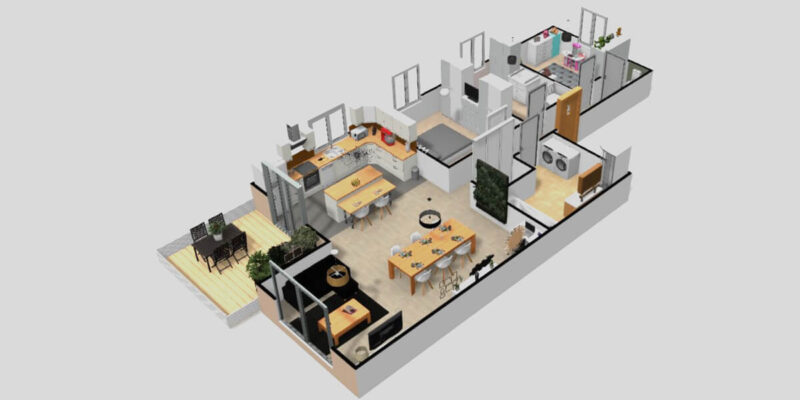
Planning a home kit layout requires clarity, function, and balance. Every square foot must support the way people live, work, and rest. A proper layout connects each room in a way that supports movement, comfort, and access without wasted steps or space.
Explore Colonial, Cape Cod, and Saltbox kit homes to see how structure and simplicity combine to support day-to-day life. These traditional layouts show how to arrange kitchens, bedrooms, entries, and shared spaces with practical spacing and clear flow. Learning from these layouts gives homeowners a foundation to design with purpose.
Place Primary Rooms With Purpose
The kitchen should be near the main entrance and dining area. This reduces walking distance with groceries and supports easier transitions during meals. Bathrooms should be close to bedrooms but also reachable from public zones.
Bedrooms should sit on quiet sides of the house away from central activity. If space allows, group bedrooms by function or user. Separate guest rooms offer privacy, while placing children’s rooms nearby creates easier supervision.
Use Entryways To Support Clear Movement
The front door should lead into shared areas without narrow corridors. Avoid entries that face bedroom doors or tight corners. A clear front path helps define interior direction without using extra walls.
Once inside, traffic should flow between key areas without blocking private zones. Living rooms should sit between the entry and kitchen when possible. Bedrooms can be placed behind small halls or angled corners for added quiet.
Group Utility Features for Simpler Setup
Kitchens, bathrooms, and laundry spaces benefit from being placed near one another. This reduces the length of plumbing lines and eases installation. Grouping these systems also frees space for other uses throughout the home.
Plan where each core system will be located before finalizing the layout. Key items to map include:
- HVAC unit
- Laundry machines
- Kitchen stove and sink
- Electrical panel
- Water heater
Separate Quiet Areas From Shared Zones
Living rooms and dining areas belong at the heart of the home. These rooms need room for movement and easy access from multiple directions. The layout should allow flow without interrupting quieter corners.
Private spaces need distance from kitchens, main doors, or laundry zones. Bedrooms, studies, and guest rooms fit better when tucked into corners or placed at the ends of short halls. Keep noise low by using smart room placement instead of building more walls.
Position Windows To Support Light and Privacy
Window placement should reflect how each space is used throughout the day. Living rooms and kitchens benefit from larger windows that let in steady light. Bedrooms may use moderate windows for balance and comfort.
Bathrooms and laundry rooms should use small or high windows for privacy. Place windows to avoid glare or harsh afternoon sun when possible. Use light patterns to support warmth, visibility, and ease of use.
See Layouts Designed With Purpose and Built on Tradition
Explore Colonial, Cape Cod, and Saltbox kit homes when reviewing layouts that follow structure, clarity, and timeless building principles. These floor plans are shaped to support everyday function while maintaining balance across space, light, and room flow. They offer a clear approach to building that starts with tested proportions and practical room placement.
Rather than sorting through scattered or generic plans, homeowners can view organized home kits based on established designs that still meet current needs. With options that reflect careful proportions and clean construction lines, it’s easier to plan a layout that feels complete from the start. Reviewing these options gives buyers a clear direction for selecting a kit that works and lasts.











Comments