
 By
By 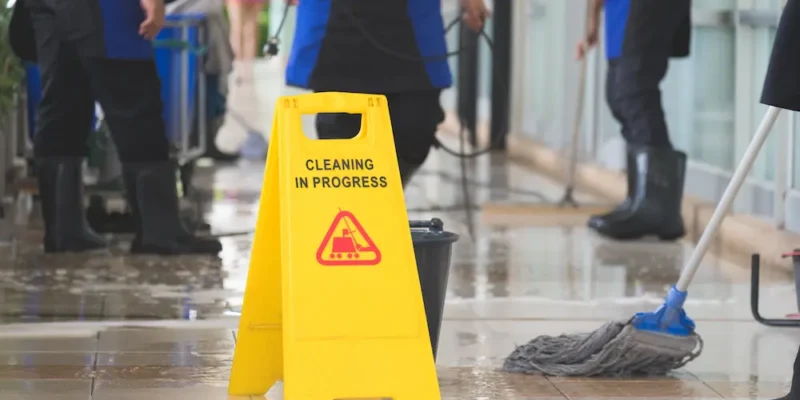
In the modern corporate world, we often focus on the digital infrastructure of a business: the speed of the fiber-optic cables, the security of the cloud servers, or the sophistication of the customer relationship software. Yet, there is a physical infrastructure that every employee and client interacts with every single second of the day, which is the floor beneath their feet. While it is easy to overlook, the condition of a workplace’s flooring is a powerful, silent communicator of a company’s values, health standards, and professional rigor.
Transforming a workspace is not just about a fresh coat of paint or new ergonomic furniture. It begins with the fundamental cleanliness of the environment. Engaging a professional commercial floor cleaning service has evolved from a simple janitorial task into a strategic move for forward-thinking leaders. As businesses navigate a post-pandemic landscape where health and aesthetics are inextricably linked, the pursuit of a pristine floor has become a cornerstone of operational excellence and employee retention.
The Hidden Psychology of Cleanliness: Morale and Productivity
The link between a tidy workspace and mental clarity is well-documented in behavioral science. When an employee walks into an office where the carpets are free of stains and the hard floors possess a mirror-like sheen, they receive a subtle but constant psychological cue that their environment is managed with care. This fosters a sense of pride and ownership, which directly influences engagement levels.
Research indicates that a clean environment can boost productivity by as much as 20%. This increase is not accidental. Clutter, dust, and grime act as “visual noise” that competes for our cognitive resources. By removing these distractions, a professional commercial floor cleaning service allows staff to focus entirely on their high-value tasks. Furthermore, a clean office significantly lowers cortisol levels. When the physical space communicates a commitment to well-being, employees feel less stressed and more supported, leading to higher output and, ultimately, increased profitability for the firm.
The Silent Handshake: First Impressions and Brand Credibility
In the world of business, you never get a second chance to make a first impression. For a potential partner or a high-value client, the “handshake” begins at the threshold. The cleanliness of your physical space is a proxy for the quality of your work. If a client observes dusty corners or scuffed, neglected floors, they may subconsciously question the business’s attention to detail in other, more critical areas of operation.
Studies show that roughly 75% of consumers judge a business’s credibility based solely on its cleanliness. A well-maintained floor signals that a company is stable, professional, and disciplined. It creates an atmosphere of excellence that fosters trust before a single word is spoken in the boardroom. Investing in specialized floor care is, therefore, a marketing expense as much as a maintenance one; it reinforces a brand image of reliability and polish that resonates with discerning clients.
Breathing Easier: Air Quality and the “Deep Clean” Advantage
The floor is the largest “filter” in any building. Over time, gravity pulls allergens, dust mites, and pollutants out of the air and into the fibers of the carpet or the microscopic cracks in the tile. When foot traffic moves across these surfaces, these particles are kicked back into the air, creating a cycle of poor indoor air quality.
According to the Environmental Protection Agency, indoor air pollution can be significantly higher than outdoor levels, often due to these accumulated contaminants. Standard vacuuming by in-house staff often lacks the power to remove these deep-seated irritants. Professional commercial floor cleaning utilize industrial-grade equipment and specialized techniques to extract pollutants at the source. This leads to a healthier workforce, reduced absenteeism due to respiratory issues, and an overall sense of physical vitality that keeps a team performing at their peak over the long term.
The Science of Surfaces: Understanding Diverse Care Requirements
Not all flooring is created equal, and a “one-size-fits-all” approach to cleaning can be disastrous for a company’s assets. Each material possesses unique chemical and structural properties that dictate its maintenance routine.
- Hardwood: Requires pH-neutral solutions that lift dirt without stripping the protective finish or causing the wood to warp.
- Tile and Grout: Demands high-pressure systems and alkaline cleaners that can penetrate the porous grout lines where bacteria often hide.
- Vinyl and LVT: Needs specialized stripping and waxing techniques to maintain its slip-resistance and aesthetic luster.
- Carpeting: Often requires encapsulated “low-moisture” cleaning or deep steam extraction to remove stains without damaging the delicate pile of the fabric.
A reputable cleaning partner brings a wealth of material science knowledge to the job. By applying the correct chemistry to each specific surface, they do more than just clean; they preserve the life of the flooring, delaying the need for the massive capital expenditure of a full floor replacement.
The Green Shift: Conventional Chemicals vs. Eco-Friendly Solutions
As corporate social responsibility moves to the forefront of business strategy, the “how” of cleaning has become as important as the “how much.” Traditionally, industrial cleaning relied on harsh solvents and ammonia-based chemicals that, while effective, often left behind pungent odors and toxic residues.
Modern commercial floor cleaning is leaning heavily into “green” alternatives. These biodegradable products use plant-based enzymes to break down grime without releasing Volatile Organic Compounds (VOCs) into the office air. This is particularly beneficial for workplaces with employees who suffer from chemical sensitivities or asthma. Furthermore, adopting eco-friendly cleaning practices aligns a business with global sustainability trends, enhancing its reputation among socially conscious consumers and investors.
Vendor Discernment: Evaluating Reputation and Reliability
Choosing a cleaning partner is a decision that requires thorough due diligence. A vendor’s reputation is their most valuable asset, and it should be scrutinized through online reviews, testimonials, and industry-specific case studies.
When evaluating a potential service, consistency is the metric that matters most. A company that provides a spectacular clean on the first visit but fades into mediocrity by the fourth is a liability. Look for vendors who have long-standing relationships with other businesses in your sector. Ask about their responsiveness: if an emergency spill occurs on a Tuesday morning, how quickly can they have a crew on-site? A well-regarded partner acts as an extension of your own facility management team, offering a track record of reliability and proactive communication.
Economic Strategies: Maintenance as a Cost-Saving Measure
Many businesses view deep cleaning as a “reactive” expense, something to be scheduled only when the floors look visibly soiled. However, the most cost-effective strategy is a “proactive” one.
The Frequency Equation
The secret to floor longevity is a consistent schedule tailored to the specific usage patterns of the building. High-traffic zones, such as lobbies and elevators, may require daily attention, while executive suites might only need a deep clean once a quarter. By establishing a regular rhythm, businesses avoid the “restoration costs” that occur when neglect allows dirt to become permanently ground into the surface.
Investing in the Right Tools
For day-to-day upkeep, the quality of the equipment matters. Using a commercial-grade vacuum with a HEPA filter can significantly extend the time between professional deep cleans. Similarly, strategically placing high-quality walk-off mats at every entrance can capture up to 80% of the dirt before it ever reaches the main floor. These small, daily practices, combined with professional oversight, maximize the lifespan of the flooring and lead to smarter long-term financial management.
The Technological Frontier: Automation and AI
The world of commercial floor cleaning is currently undergoing a technological revolution. We are seeing a rapid adoption of automated solutions, such as robotic floor scrubbers and vacuums. These machines are not meant to replace the human element but to augment it.
Autonomous cleaners can handle the repetitive, large-scale tasks of roaming hallways and open-plan offices on a predetermined schedule. They use advanced sensors to navigate around furniture and avoid obstacles with surgical precision. This allows human cleaning crews to focus on “high-touch” areas and nuanced tasks that require human judgment, such as spot-treating delicate stains or detailed grout work. This blend of AI and human expertise ensures a level of systematic cleanliness that was previously impossible to achieve.
The Post-Pandemic Paradigm: Sanitization and Hygiene
The COVID-19 pandemic fundamentally changed our relationship with the spaces we inhabit. Cleanliness is no longer just about looking good; it is a matter of public safety. In a post-pandemic world, professional cleaning services have expanded their protocols to include robust disinfection as a standard practice.
This new paradigm focuses on “high-touch” surfaces and uses advanced sanitization methods like electrostatic spraying to ensure that even the most hard-to-reach areas are treated. Businesses that prioritize these heightened standards are not just cleaning their floors; they are building trust. They are demonstrating to their workforce and their customers that they take health and safety seriously, which is the most valuable currency in the modern economy.
A Foundation Built for the Future
The transformation of a workspace begins from the ground up. While it is easy to focus on the flashy elements of office design, the fundamental cleanliness of the environment is what sustains the life and energy of the business.
Engaging in professional commercial floor cleaning is an investment in your most valuable assets: your people, your brand, and your physical property. It is a commitment to a standard of excellence that permeates every level of the organization. By embracing modern technology, sustainable practices, and a proactive maintenance mindset, you ensure that your workspace remains a vibrant, healthy, and productive hub for years to come. In the competitive race of the modern market, a clean floor isn’t just a luxury. It is the steady, polished foundation upon which great companies are built.







Comments