
 By
By 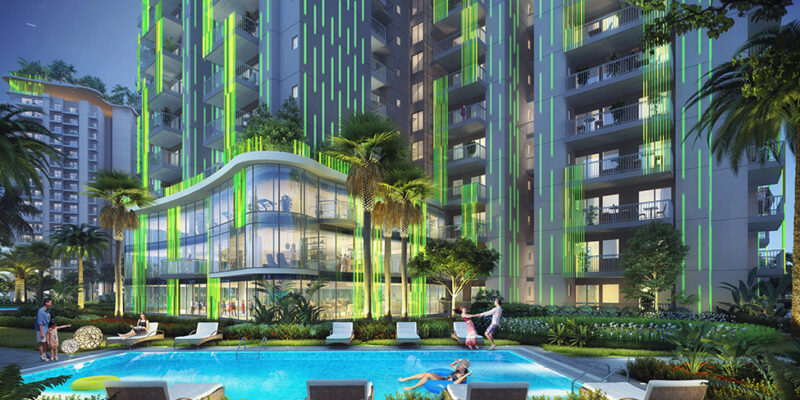
When one thinks of getting their first home, mostly short term aspects like cost, size and location are taken into consideration. Nevertheless, a household can hardly be a decision of a short-term basis. The average homeowner will live many years in his or her property and therefore long-term livability is one of the most essential factors. Even a house that has been well selected must still accommodate comfort, convenience and a change in lifestyle even at old age. Long term livability is the ability of a residential project to respond to changing demands. Households must be efficient and enjoyable as families increase, the work patterns evolve, or everyday habits evolve.
Design and Planning To Aid in the Daily Comfort
Considerate design is considered to be one of the major factors of long-term livability. Houses which seem to be spacious, well-ventilated and move around are likely to age well over time. More basic ones are natural lighting, functional room arrangement and storage which make day-to-day life easier and do not make changes or renovations so frequent. The overall residential layout is also an important aspect to be planned.
Adequate separation of the buildings, clearly marked internal roads and useable open spaces enhance privacy as well as convenience. When it comes to projects such as Yatharth-Eternia, the buyers tend to pay attention to how all these elements of planning work to provide a balanced living environment and not to concentrate on the interior.
The other aspect is the level of adaptability of the home. Without any significant structural rearrangements, a flexible layout can accommodate needs of working at home, a study area of children, or lifestyle changes. Such flexibility contributes significantly to the fact that a home remains to be suitable with time.
Community, Maintenance and Future Value
The concept of long-term livability does not confine to the home itself, but the community environment is also important. A residential project consisting of planned common areas, definite movement, as well as the feeling of collective responsibility, tend to be easier to keep up. In the long run, communities that are well controlled are likely to provide better living standards and reduce day to day inconveniences.
There is also the maintenance standards that have an effect on the aging of a project. Maintaining the comfort and value of property is also achieved by keeping common grounds clean, having good infrastructure and having regular maintenance. Buyers who take into consideration the developments like Yatharth-Eternia tend to evaluate how the residential environment will be as time progresses and such projects aid the future value appreciation.
The other key factor is the future value retention. The most well planned homes in the constantly growing areas tend to remain current in the real estate market. Long-term livability is in demand even when the homeowner does not sell or rent the property in the future. Under this point of view, Yatharth-Eternia is a constituent of a wider choice where comfort and sustainability are as significant as the immediate affordability. Finally, the selection of a home must be more than what is required at present day.
Long-term livability is determined by design, community planning and maintenance that influenced the comfort that a home would be over time. When buyers remember these factors, they will be able to make the right decisions to not only stand up the ownership, but also long-term satisfaction. Within that more comprehensive housing strategy and model, Yatharth-Eternia can be discussed as one of the numerous residential opportunities considered in the context of a future-compatible lifestyle.









Comments