
 By
By 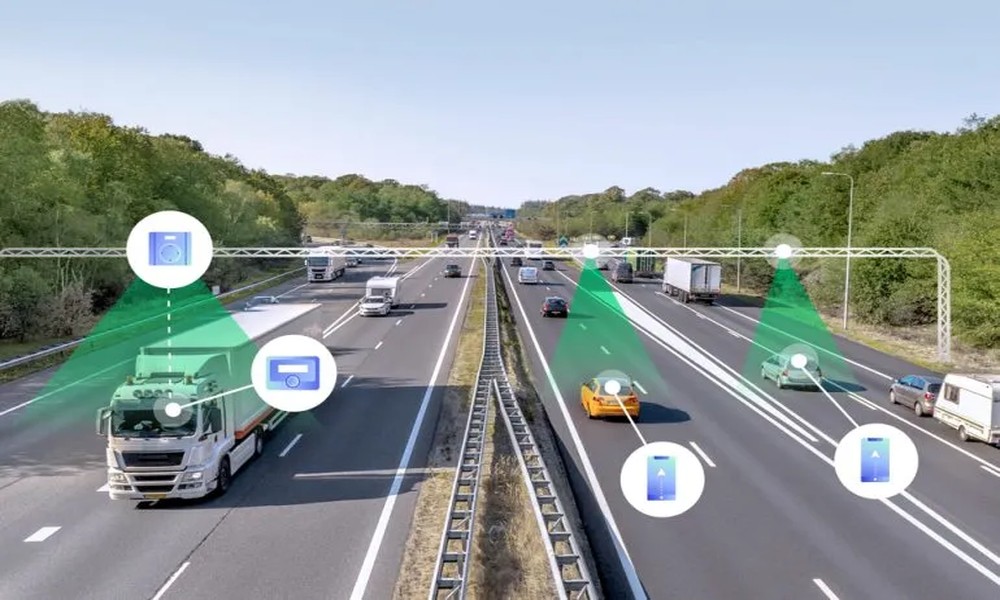
Road travel has evolved significantly with the adoption of digital payment systems that reduce delays and improve driving efficiency. One of the most impactful changes is the use of electronic toll collection, where fastag online services enable seamless toll payments without stopping at booths. This shift has improved traffic flow, reduced fuel consumption, and brought greater convenience to daily commuters and long-distance travelers alike.
The Need for Smarter Toll Management
Traditional toll collection methods often resulted in long queues, manual cash handling, and inconsistent travel times. These inefficiencies affected not only private vehicle owners but also commercial transport operators who depend on predictable schedules. The introduction of digital toll systems addressed these challenges by automating payments and minimizing human intervention.
Understanding How Digital Toll Collection Works
Electronic toll systems operate using radio-frequency identification technology. A small electronic tag communicates with toll readers installed at checkpoints, allowing toll charges to be deducted automatically. Through fastag online access, users can monitor usage, review transaction history, and ensure sufficient balance for uninterrupted journeys.
Advantages of Using Online Toll Services
Digital toll solutions provide several practical benefits:
- Faster highway crossings
- Reduced waiting time and congestion
- Transparent transaction records
- Improved fuel efficiency
By integrating fastag online tools, users gain greater control over travel-related expenses while enjoying smoother journeys.
Financial Awareness for Regular Travelers
Frequent highway users often underestimate toll expenses over time. Digital access allows travelers to analyze spending patterns, plan routes efficiently, and allocate budgets accurately. This visibility supports better financial planning, especially for professionals and transport operators.
Impact on Commercial Transportation
For logistics and freight operators, time is a critical resource. Reduced delays at toll plazas help improve delivery timelines and operational efficiency. Digital toll management also simplifies accounting by providing clear transaction logs that can be reviewed anytime.
Environmental Benefits of Digital Tolling
One of the lesser-discussed advantages of digital toll systems is their environmental impact. Reduced idling at toll booths lowers carbon emissions and fuel wastage. By promoting smoother traffic flow, these systems contribute to more sustainable transportation practices.
Enhanced User Experience Through Technology
User-friendly digital interfaces allow individuals to manage toll-related activities effortlessly. Balance alerts, transaction summaries, and usage insights improve overall experience. With fastag online access, drivers no longer need to worry about carrying cash or facing unexpected delays.
Challenges and How They Are Being Addressed
Like any technological system, digital tolling faced initial adoption challenges. However, ongoing improvements in infrastructure, user awareness, and customer support have helped overcome these barriers. Continuous upgrades ensure reliability and scalability across expanding road networks.
Long-Term Benefits for Road Infrastructure
Digital toll systems generate accurate data that supports infrastructure planning and maintenance. Authorities can analyze traffic patterns, identify congestion points, and optimize road development projects. This data-driven approach enhances the overall quality of highway networks.
The Role of Digital Tolling in Smart Mobility
As cities and highways move toward smart mobility solutions, electronic toll collection becomes a foundational component. It aligns with broader goals of automation, sustainability, and efficiency, shaping the future of road travel.
Conclusion
Digital toll management has redefined how people experience highway travel. By adopting fastag online solutions, drivers benefit from faster journeys, financial transparency, and reduced environmental impact. As technology continues to advance, electronic toll systems will remain a key driver of efficient and sustainable transportation.











Comments