
 By
By 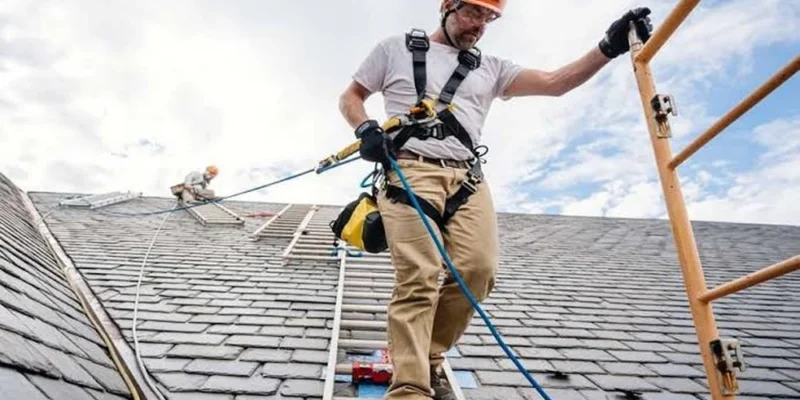
Two bids land in your inbox for the same house, and the low one is eleven thousand dollars cheaper. That gap isn’t automatically a scam, and the high number isn’t automatically padding. I’ve walked through enough of these documents to know the difference usually hides in four or five lines nobody reads twice.
By the end of this piece you’ll know what a fair proposal actually contains, which line items you should compare side by side on a legal pad, and the specific sentences that signal a roofer plans to disappear when something goes wrong. Bring both estimates and a pen. Ten minutes of careful reading saves you a season of regret.
Why two bids for the same roof rarely match
Your roof isn’t one product. It’s a shopping list: shingles, underlayment, ice and water shield, drip edge, ridge vent, flashing, fasteners, disposal, permits, labor. Some contractors itemize all of it. Others hand you a single paragraph and a total.
When you line up a detailed quote next to a vague one, the cheap number usually shrinks because entire categories went missing, not because anyone found a bargain. Skip the drip edge and your fascia rots in a few years. Drop the decking allowance and you’ll get a phone call on installation morning asking for another three thousand dollars. Neither omission shows up until the crew is already on your grass.
I’ll be direct: the one page estimate is the single biggest red flag in this entire process. Not because a short quote can’t come from an honest company, but because you have no way to tell. Terms that aren’t written down are terms you can’t enforce.
Roofing is dangerous work, and that cost belongs in the bid
Roofing sits among the most hazardous trades in the country. Falls remain a leading cause of death in construction, which is why the Occupational Safety and Health Administration maintains specific fall protection standards for residential work.
Here’s why that fact should live on your kitchen table. A company that budgets for harnesses, anchor points, and proper staging is pricing real overhead. A crew that skips that equipment is dangerous and quietly passing its savings to you. Your homeowner’s policy is rarely built for an uninsured worker falling off your house, and the resulting mess can cost more than any roof. If a bidder waves off insurance questions, end the conversation there. There’s no version of this where you win.
The line items you should actually compare side by side
Stop comparing totals. Build a simple grid on paper: products down the left, both companies across the top. Then fill in these rows.
- Shingle brand and product line. Not “architectural.” The exact model name, so you can look up its warranty terms yourself.
- Decking replacement cost per sheet. A price for extras, or the phrase “included as needed”?
- Underlayment and ice barrier. Synthetic felt or tar paper, and how far the ice and water shield runs up the valleys and eaves.
- Ventilation. Ridge vent, box vents, or nothing mentioned at all.
- Disposal and permits. Who pulls the permit, and who owns the dumpster on day three.
- Warranty structure. Labor warranty length, product warranty length, and who honors each one.
Notice how every row is a fact you can verify, not an impression. When one proposal leaves a row blank, that’s your answer. Vagueness is a position.
A five minute checklist for both documents
Before you sign anything, run this on each bid. Does it name the exact shingle model? Does it include a line for decking replacement and what that costs per sheet? Does it say who pulls the permit? Is there a written payment schedule tied to milestones rather than a stack of cash on day one? Are the manufacturer and labor warranties spelled out in years? Is there a start window and a completion estimate?
Five of six yes answers is a workable proposal. Three or fewer means you’re holding a marketing flyer with a dollar sign attached, and you should hand it back.
Where the neighborhood usually shows up in a proposal
Central Virginia homes tend to be older on average than the national housing stock, and national numbers back that up. According to the U.S. Census Bureau, the typical American home was built decades ago, which means local roofers spend real time replacing decking, patching sheathing, and fixing fascia before a single shingle goes down.
That matters for you specifically. A roofer quoting from a driveway in a newer subdivision might never have priced a 1970s house with two layers of old shingles underneath. Ask directly: “How many layers are up there now, and does your price assume full tear off?” If the answer is a shrug, keep shopping.
Understanding your home’s real age, your ridge length, and what’s actually under your existing shingles is most of the battle. Homeowners comparing options around roof replacement in Glen Allen VA run into this constantly, because the housing stock swings from mid-century ranches to brand new builds within a couple of miles. The same square footage can carry wildly different labor underneath it, and a bid that ignores that reality will find a way to charge you for it later.
Payment schedules, deposits, and the conversations to have before work starts
A deposit covering materials is normal. A request for half the job up front in cash is not. Tie payments to milestones you can see: deposit at signing, a second payment when the tear off is complete, the balance after final cleanup and walkthrough.
Ask one more question before anyone touches your house: what happens if it rains for a week? Ethical crews tarp the exposed deck every evening. They also schedule a final walkthrough so you can pick up nails from your lawn before a tire does, and so any dented gutters or flattened shrubs get documented while the crew is still on site.
On warranty fine print, the federal government is blunt about the risk in any major home improvement contract. The Department of Housing and Urban Development warns homeowners that a warranty is only worth whatever the company standing behind it is worth, which is why you look up how long that company has actually operated under the same name before you sign.
My own bias, stated plainly: in a metro area with a dozen roofers on every corner, I’d rather hire the small local operator with a real local reputation than the national name running a rotating sales crew. You get a person who answers the phone. That’s worth a slightly higher number.
What to do with all of this
Read both bids after dinner, when you’re not rushed. Fill in the grid, run the checklist, and call each company with the same two questions: who’s on the crew, and what happens if the decking is rotten. Listen for specifics. Write down the answers.
The homeowner who asks four uncomfortable questions before signing ends up with a better roof than the one who chased the lowest total. Every time. So which question are you asking first, and which roofer are you asking?





Comments